


A portable medical X-ray machine, roughly the size of a DSLR camera, and the massive amounts of data it generates, are poised to transform the long-standing dilemmas in the field of medical imaging. Historically, medical institutions have faced the phenomenon of "data silos," particularly with X-ray imaging data, which has been difficult to achieve mutual recognition and sharing in a secure and efficient manner. In the context of mobile healthcare, traditional X-ray equipment often encounters challenges such as unstable image quality and insufficient spatial positioning accuracy. A reporter from Ziniu News of Yangzi Evening News learned from the Jiangsu Provincial Data Bureau that the high-precision human mobile imaging data trusted spatial scenario developed by Space Beidou Medical Technology Ltd. was recently selected as a practical case for the "data activation" scenario in counties (cities, districts) for public data in Jiangsu in October 2025. With the in-depth application of related technologies, these issues are being addressed.
"This project is based on Beidou high-precision positioning and X-ray imaging analysis technology, focusing on emergency rescue and pre-hospital emergency care scenarios, and building a cross-spatiotemporal data fusion and collaboration platform in the field of primary healthcare." According to the introduction, through the use of Beidou technology to achieve real-time positioning and dynamic tracking of patient vital signs data in mobile medical scenarios, combined with intelligent analysis of X-ray images, a multimodal medical data chain will be formed, supporting multi-party joint modeling and remote diagnosis and treatment.
The space-based Beidou portable medical X-ray machine used in this scenario is only slightly larger in size than a DSLR camera and weighs only 1.8 kilograms. It's worth mentioning that the radiation dose for taking an X-ray photo with it is much lower than that of traditional equipment in hospitals. In particular, it can avoid the problem of having to take another X-ray when transferring to another hospital, making it safer and more reliable for doctors, rescue workers, and patients alike.
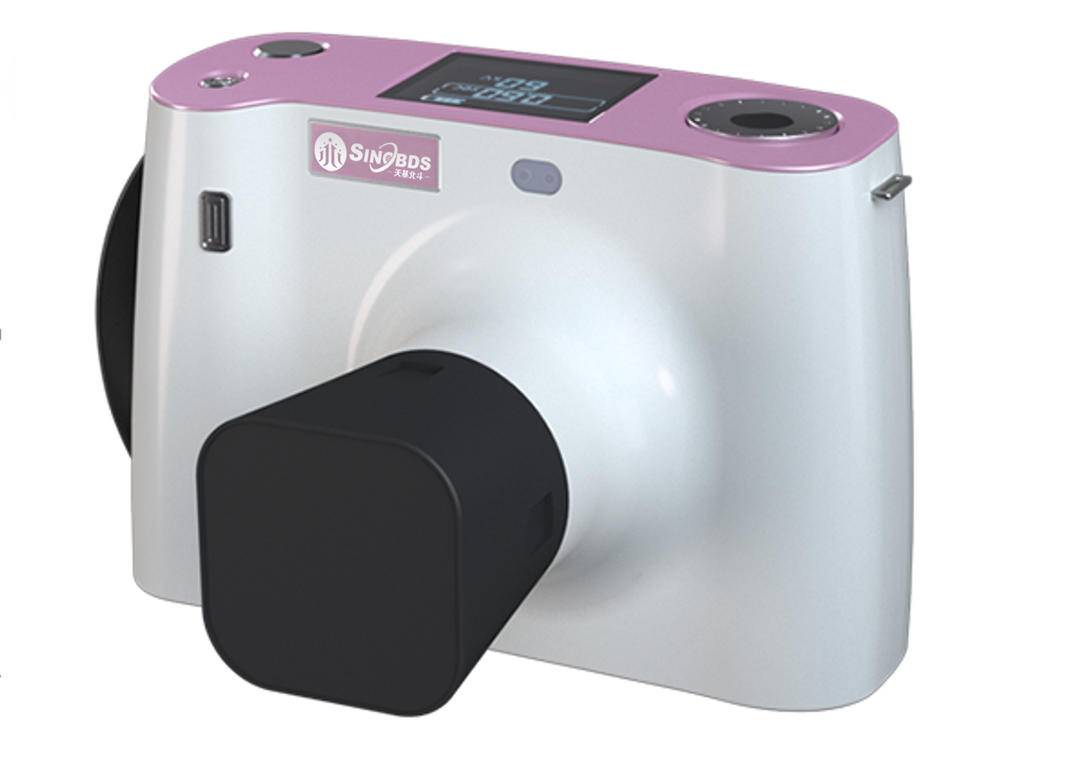
According to reports, this equipment is particularly suitable for use in emergency situations or in areas with limited medical resources. It can take X-ray images at any time and confirm the patient's injuries. While taking the images, the X-ray images, location, and other information can be uploaded to the system for authorized personnel to participate in diagnosis, enabling remote consultations and other functions.
At present, there are a total of six main data resources in this scenario, all of which are public data obtained through provincial public data authorization and operation platforms, including the National Health Information Platform, the Medical Imaging Cloud Platform, the Emergency Management and Emergency Command Information Database, and the Beidou High-precision Location Service Platform.
Currently, in the realm of remote consultation scenarios, a prototype of a data sharing platform based on blockchain technology has been established, enabling secure transmission tests of imaging data among three pilot hospitals. Additionally, a consultation tool with multi-party collaborative annotation capabilities has been developed. Simultaneously, the intelligent treatment scenario is gradually becoming a reality. A framework for the treatment decision-making knowledge base has been constructed, the algorithm design for the treatment suggestion engine has been completed, and the treatment process tracking system is also under orderly development.
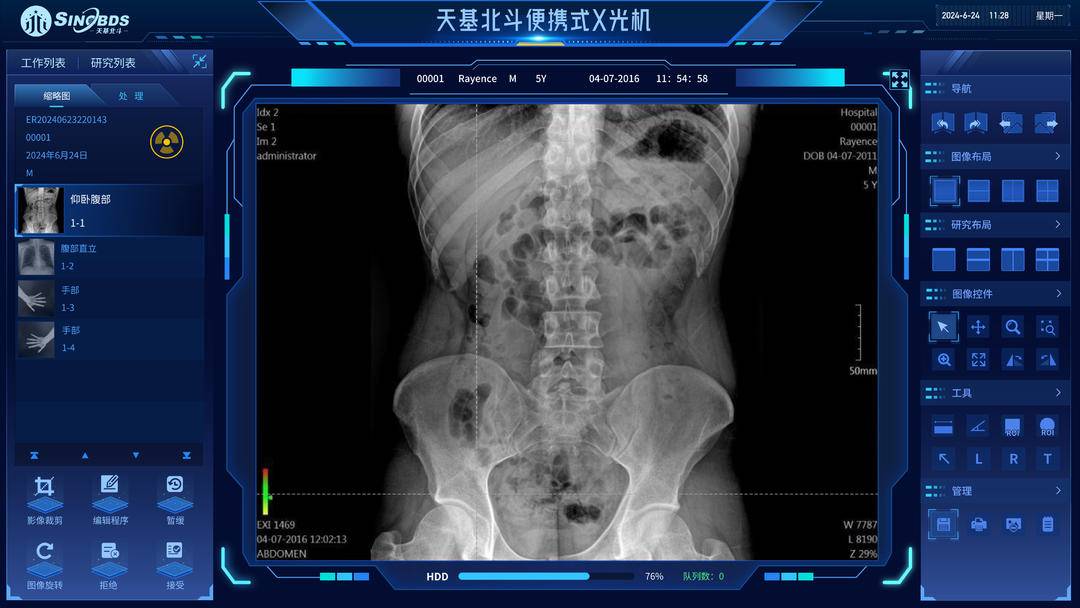
Relevant data not only enables safe and controllable cross-institutional mutual recognition and sharing, but also provides unprecedented multimodal data support for major disease research, health trend analysis, and public health policy formulation.
Specifically, in addition to the rapid response system for emergency medical rescue, which achieves real-time linkage between injury images and incident locations, providing key decision support for optimizing treatment plans, it is also possible to establish a disease screening and diagnosis system based on geoeconomic epidemiological characteristics, enhancing the ability to identify regionally prevalent diseases; and construct a dynamic visual disease distribution map, serving regional disease monitoring and early warning, as well as optimizing the allocation of prevention and control resources, promoting the digitalization and precision of public health governance.
As this scenario is further applied, the related industrial ecosystem will also grow and expand in the future. The high-tech industrial cluster featuring "Beidou + medical imaging" is expected to form a new economic growth point. The upstream will stimulate the research, development, and manufacturing of mobile and portable high-end medical imaging equipment integrated with Beidou positioning modules; the midstream will give birth to emerging service formats such as mobile medical screening and remote imaging diagnosis based on precise location services; and the downstream will promote the formation of new industrial links such as medical spatiotemporal data governance, analysis services, and market-oriented operation of data elements, ultimately building a complete industrial ecosystem encompassing "hardware research and development - software services - data applications".